Source Heat Transfer Rpet Shopping Bag for Retail, Promo, and Daily Use
Find 30 heat transfer rpet shopping bag options with customizable designs and various handle styles. Compare specifications like weight limits, closure types, and packing details to select the right bags for retail, promotional events, and daily shopping needs; compare the available evidence and request quotations based on your requirements.
Key considerations
Products List




Comprehensive Sourcing Guide
Heat Transfer Rpet Shopping Bag Sourcing Guide
Procuring heat transfer Rpet shopping bags requires careful attention to the specific printing method and material composition to ensure brand visibility and sustainability goals are met. The observed market data indicates that thermal transfer printing is a dominant technique for these items, allowing for durable graphics that withstand repeated use without fading. Buyers must verify that the supplier utilizes heat transfer processes specifically, as this method offers superior color fastness compared to standard screen printing on non-woven substrates.
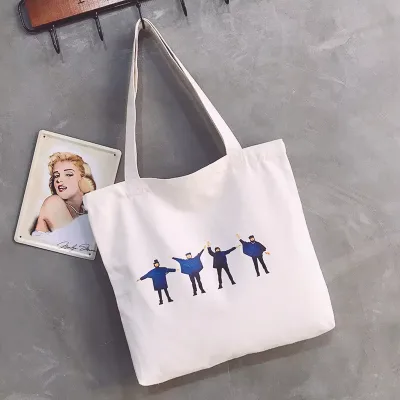
The product range includes various styles, from simple horizontal squares to trendy designs with candy color elements, catering to both promotional and retail shopping needs. While some models feature open closures, others utilize zipper and hasp mechanisms, necessitating a clear definition of the required functionality before ordering. Understanding these variations helps in selecting the right bag for specific applications, whether for high-volume giveaways or premium retail packaging where durability and aesthetic appeal are paramount.
Product Scope and Observed Listing Signals
Buyers should expect a wide variance in product specifications, with observed models ranging from Magic-91403 to JMSB0225024, each carrying distinct attributes like weight limits and closure types. The listings reveal that some units are designed for heavy loads with a bearing capacity of up to 15kg, while others are lighter, suitable for general promotion. It is critical to distinguish between these models based on the intended usage, as the structural integrity and handle type, such as rope handles or standard handles, vary significantly across the catalog.
Color and finish are also key differentiators, with white being a common base color alongside trendy candy color options that appeal to modern consumers. The packaging details, such as individual OPP bag packing or bulk carton configurations, directly impact logistics planning and storage requirements on the receiving end. Procurement teams must align their order specifications with the observed packing standards, noting that units per export carton can range from 50 to 200 pieces, which affects shipping costs and inventory management strategies.
Technical Specifications to Verify
Technical due diligence must focus on the hardness and material composition, as observed products range from medium soft to soft textures, influencing the tactile experience and perceived quality. The bearing capacity is a critical metric, with some bags rated for 15kg, while others have a gross weight limit exceeding 10kg. Buyers should explicitly request test data or physical samples to confirm that the selected model can support the intended load without tearing, especially for bags marketed for heavy grocery or retail shopping.
Printing quality and color fastness are equally vital, with observed standards indicating a minimum of 3.5 levels for color retention. The production process relies heavily on heat transfer, which requires precise temperature and pressure control to ensure the design adheres properly to the Rpet non-woven fabric. Verification of the printing process parameters and the resulting color fastness levels is essential to prevent issues like peeling or fading during the product's lifecycle, ensuring the brand message remains intact through multiple uses.
Compliance and Safety Documentation
Compliance verification is a non-negotiable step, as the supply chain data lists a robust array of factory audits including BSCI, Sedex, BRC, and major retailer standards like Tesco and M&S. These audits indicate a supplier's commitment to ethical labor practices and supply chain transparency, which is often a prerequisite for entering major Western markets. Buyers must confirm that the specific factory producing their order holds current certificates for these audits, as the presence of a standard on a general listing does not guarantee it applies to every batch or model.
Safety standards for the final product are equally stringent, with observed certifications covering Reach, En71, Cpsia, Prop65, and LFGB. These standards address chemical safety, ensuring that the materials and inks used in the heat transfer process do not contain harmful substances. Procurement teams should request specific test reports for the ordered model to verify compliance with these regulations, particularly for products intended for children or food-related applications, as the standards vary by region and end-use.
Cost Drivers and Commercial Terms
Cost structures are heavily influenced by the complexity of customization and the specific printing technology employed, with thermal transfer printing often commanding a premium over basic methods. The observed order lead times range from 40 to 55 days, reflecting the time required for material sourcing, production, and quality assurance. Buyers must factor these extended timelines into their supply chain planning, as the lead time can vary based on the specific model and the extent of the customization requested.
Minimum Order Quantities (MOQ) and packaging configurations also play a significant role in the total cost of ownership, with observed ranges spanning from 1 to 5000 units. The units per export carton, which can be as high as 200 pieces, directly impact freight efficiency and storage costs. Negotiating favorable terms requires a clear understanding of these variables, as larger orders may reduce the unit price but increase the upfront capital requirement and storage burden.
Supplier Qualification and Quality Control
Supplier qualification should prioritize those with verified factory audits and a proven track record in producing Rpet non-woven bags with heat transfer capabilities. The presence of multiple audit standards like Grs, BSCI, and Sedex suggests a mature supply chain, but buyers must ensure these credentials are active and applicable to the specific production line. Engaging with suppliers who can demonstrate consistent adherence to these standards reduces the risk of ethical violations and supply chain disruptions.
Quality control protocols must be established early, focusing on the consistency of the heat transfer process and the durability of the final product. Buyers should implement a rigorous inspection plan that checks for color fastness, structural integrity, and printing alignment, as these are common failure points in this category. Establishing clear acceptance criteria based on the observed standards, such as the 3.5-level color fastness, ensures that the delivered goods meet the expected quality benchmarks before shipment.
Long-Term Procurement Checks
Long-term procurement success depends on maintaining a dynamic relationship with suppliers who can adapt to changing market trends and regulatory requirements. The observed product styles, ranging from simple to trendy, indicate a market that values innovation and design flexibility. Buyers should regularly review their supplier's portfolio to ensure they can continue to offer fresh designs and materials that align with evolving consumer preferences and sustainability goals.
Continuous monitoring of compliance and performance metrics is essential to mitigate risks over the product lifecycle. This includes tracking the supplier's ability to meet lead time commitments and maintain quality standards across multiple production runs. By establishing a framework for regular performance reviews and feedback loops, buyers can ensure a stable supply of high-quality heat transfer Rpet shopping bags that support their brand reputation and operational efficiency.
FAQs
How is the heat transfer printing applied to RPET shopping bags?
The bags are decorated using a thermal transfer printing process, where artwork is heat-pressed onto the RPET non woven surface. This method supports full-color designs with consistent coverage and a color fastness of at least 3.5 levels. Provide your artwork in a print-ready format, and customization is available so branding, logos, and promotional graphics can be applied before production.
What certifications and quality standards do these RPET shopping bags meet?
Available quality standards include Reach, En71, Cpsia, Prop65, and ASTM-F96308, covering chemical safety and consumer product requirements. Factory audits such as BSCI, Sedex, BRC, Tesco, M&S, Kaufland, and Morrison are also listed, with GRS available for recycled content verification. Confirm which certificates apply to your specific order, as audit and standard coverage can vary by production line and destination market.
What is the typical order lead time for heat transfer RPET shopping bags?
Listed order lead times range from 40 to 45 days and 40 to 55 days depending on the bag model and order complexity. Lead time usually starts after order confirmation and artwork approval. Factor in extra days for customized printing, sample approval, and shipping arrangements, and confirm the exact schedule with the supplier before placing a production order.
How much weight can these handled RPET shopping bags carry?
The bags have a listed bearing capacity of 15 kilograms, making them suitable for shopping, promotion, and packing uses with items over 10 kilograms. Actual load performance depends on handle type, such as rope or handled constructions, and stitching quality. For heavier contents, request a sample and test the seams and handles under your real loading conditions before mass production.
Can the bags be customized in size, color, and packaging?
Yes, customization is available, and the listed standard is customized, meaning specifications can be tailored to your requirements. Options include candy color or white colorways, horizontal square designs, and zipper and hasp or open closures. Packing can be individual OPP bag packing or carton packing, with export cartons holding 50 or 200 pieces depending on the model selected.
What are the packaging and export carton details for these bags?
Packing options include individual OPP bag packing for retail-ready units and carton packing for bulk shipments. One listed export carton holds 200 pieces at 50x50x42 cm with a gross weight of 13 kilograms, while another model packs 50 pieces per carton at 71x48x25 cm, 8.9 kilograms gross. Carton configuration depends on the bag model and size you order.
Which closure and style options are available for these shopping bags?
Available options include open closures for quick retail use and zipper and hasp closures for secure storage. Styles range from trend-focused designs to simple candy color looks, in soft to medium soft hardness. Bag types include handled and rope handle constructions, with tote sizes around 60x38 cm plus a 12x12 cm pouch on one model. Choose based on your promotion or shopping use case.